We use the tools of property to take buildings out of speculation, and leave the culture in them.

Mandate
Land is a limited resource and it is not a product. We work to remove land and buildings from speculation and hold them for projects that serve many people rather than a few. The first objective on every position is to take the debt off the ground.
What we hold is given, bequeathed, cooperatively financed or bought outright, then leased back long — hereditary leases where the law allows — so that socially and culturally necessary workplaces are secured for longer than any market cycle.
Users are not customers. Tenants care for, maintain and govern what they use, through their own self-administering structures, so that the next generation inherits something improved rather than something extracted.
Exocapital Reading
We do not flatter ourselves that property is a moral argument between good landlords and bad ones. Capital, read exocapitally, is not sociogenic: it is an indifferent logic activated by exchange, computation and arbitrage — the manipulation of value across time and space, extracting from difference itself. It does not need anyone's greed to work, and it will not be shamed into stopping.
So we do not appeal to it. We interrupt the mechanism where it touches ground: title, debt, lease, use. Ownership converted into stewardship is the only argument the machine reads, because it removes the thing it needs — a future sale.
Narrative Positions
The first indicator of a shift is never a crane. It is a new story about the area. The narrative reprices first, automatically, ahead of any human decision — which is exactly why the story has to be held in common before the land is.
- N/01BeforeCrime figures, structural decay, a photograph taken in November. The area is described as empty so that it can be priced as empty. Nobody wrote that description by hand; the model did, and the model is not a person.
- N/02Behind the shuttersSixty-one tenancies: a bakery, two repair shops, a rehearsal room, a paint sprayer, an importer of blue diamonds. None of it appears in the valuation, because none of it is arbitrage.
- N/03AfterThe same fabric, re-narrated. Nothing was demolished. The uplift was written by the story — so we take the story off the market before it can be sold back to the people who are it.
Inventory Method
Before anything is signed we produce an atlas: every occupant, every informal use, every noise the building makes and every hour it makes it. Economic and social geography at the scale of a roller shutter. Loud production is not a nuisance; a bread oven at five in the morning is not a tolerance issue. Both are the reproductive infrastructure the valuation forgot to count.
Where the planning framework allows it we press for a cultural-industrial sound zone — use and volume written into the plan, so the programme cannot be evicted by the value it created.
Field Record
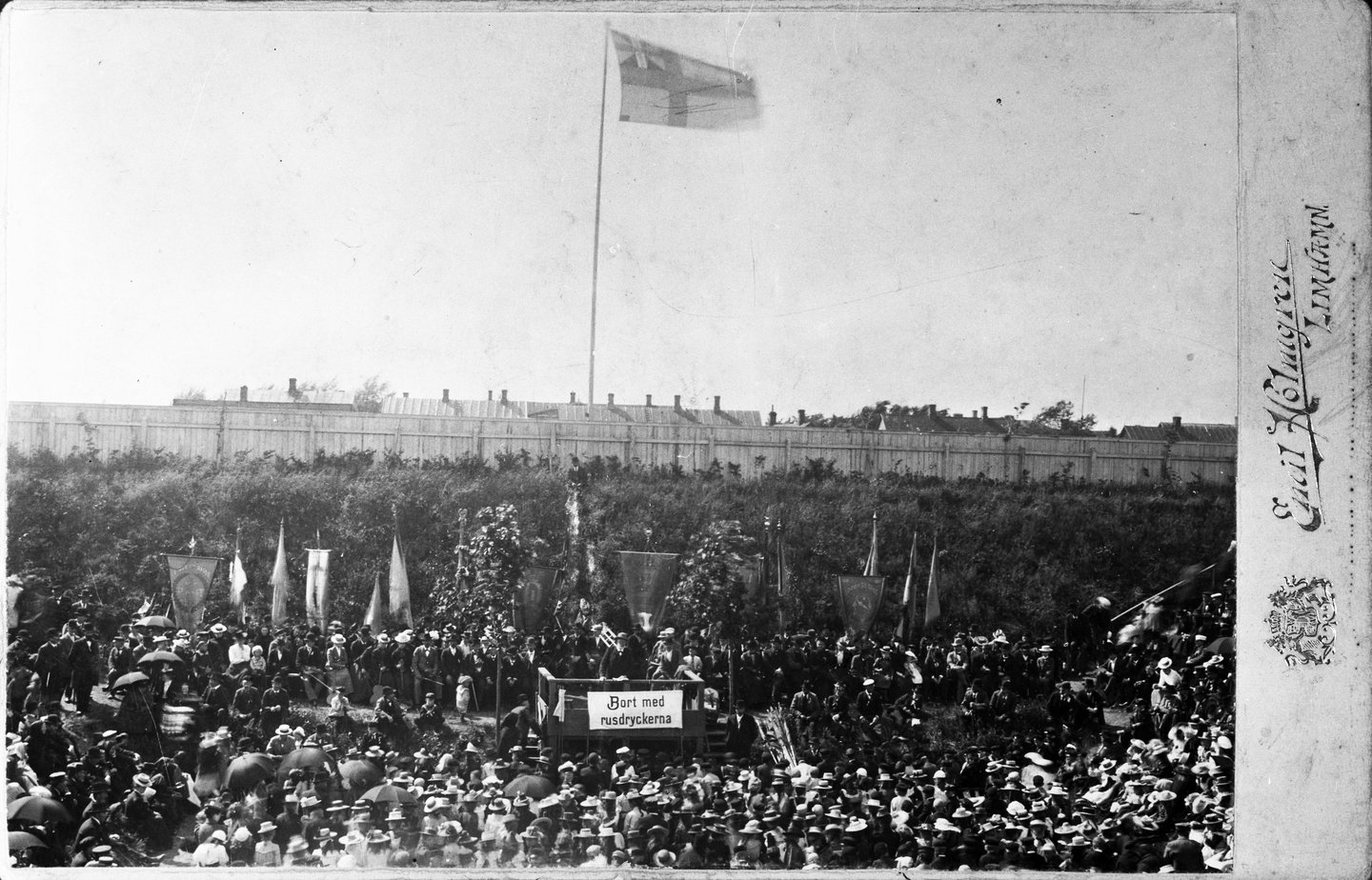
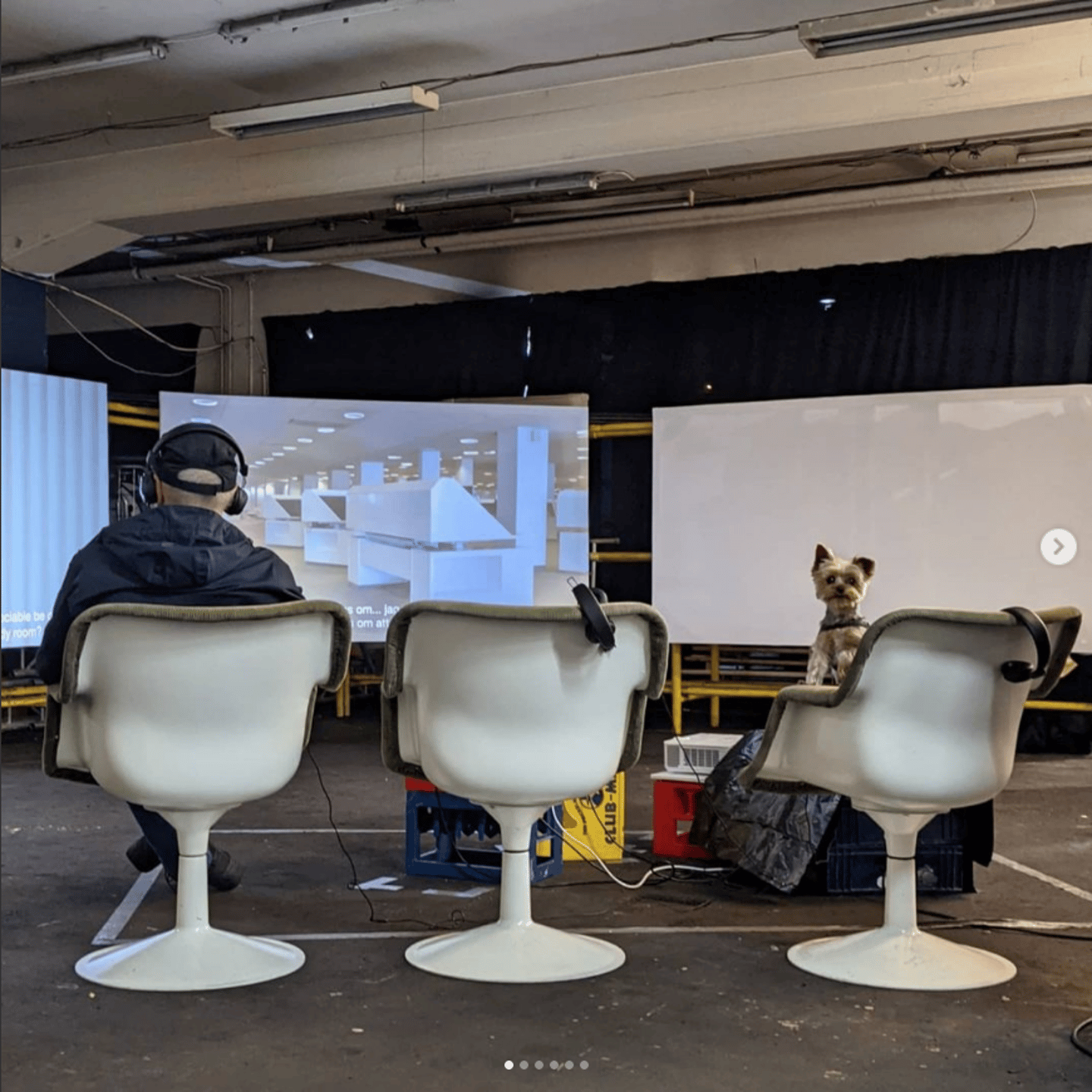
The pictures are the collective's own: screenshots, working documents, rooms mid-use. Flat light, nothing staged out. An inventory of what is already there is the only honest counter-image to a rendering of what could be sold.
Counter-Underwriting

We use the instruments — valuation, sensitivity, exit modelling — against their purpose. Every position is priced twice: once as the market reads it, once with maintenance, care, reproductive labour and the hours nobody bills entered as assets. Where the two models disagree, the disagreement is the finding, and the finding is published.
No success fee, no agency mandate, no carried interest. Surplus goes back into taking the next building out of the market.